




Looking After Your Dog's Kidneys - What is Kidney Disease?
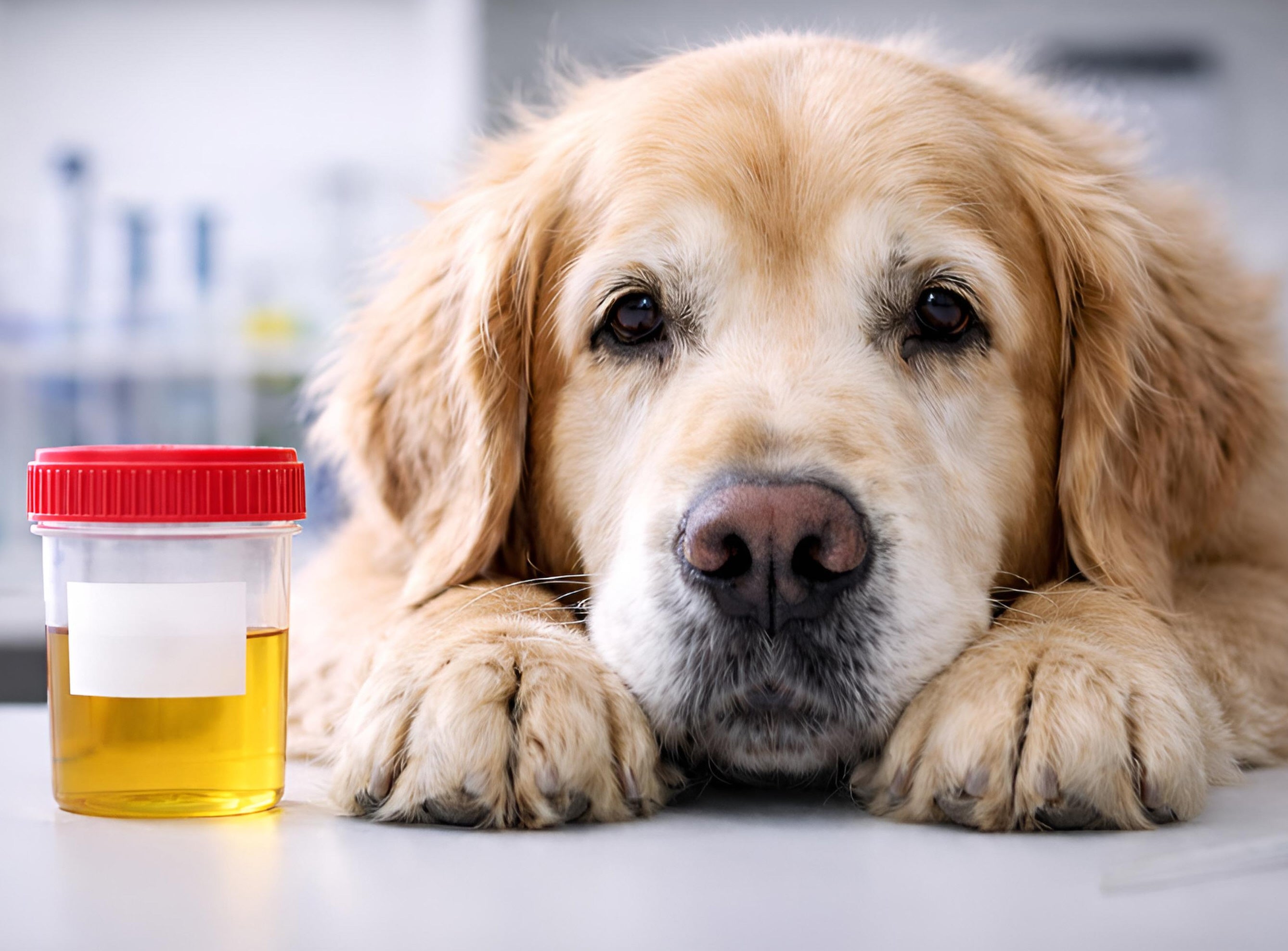
Kidney health isn’t something most of us think about until a problem arises, but these small organs play a huge role in keeping our dogs and cats healthy. The kidneys help filter waste from the blood, balance fluids, regulate important minerals, and support overall wellbeing. When they’re not working as they should, it can affect many parts of the body.
One of the questions we're regularly asked at Ace Canine HQ is whether our products are safe for pets with kidney disease. This most often comes up around joint care, as chronic kidney disease tends to develop in slightly older dogs, but we also hear it in relation to eye care, cataracts, and coat and skin health too. So we thought it would be helpful to take a closer look at kidney disease, what causes it, and some of the early signs owners can look out for.

What is Kidney Disease?
One condition vets commonly see in pets is kidney disease, and in particular chronic kidney disease (CKD). This simply means that the kidneys are gradually losing their ability to do their job over time. It’s more common in older animals, but it can occur at any age and often develops slowly, which is why early awareness can be so helpful.
Healthy kidneys filter waste products from the bloodstream and remove them through urine. When the kidneys become damaged, these waste products can begin to build up in the blood.
Signs to Watch For
The early signs can be subtle, and many pet owners only notice small changes at first. Some of the things worth keeping an eye on include:
- Drinking more water than usual
- Needing to urinate more frequently
-
Mild lethargy or reduced energy
-
Loss of appetite or slight weight loss
-
Bad breath (sometimes described as slightly metallic)
- A general sense that your pet is not quite themselves
How Vets Check Kidney Health
One of the most useful tools vets have is a simple blood test. These tests look at markers that indicate how well the kidneys are filtering waste.
Two of the key measurements are:
-
BUN (Blood Urea Nitrogen) – this measures the amount of urea in the blood, a waste product produced when the body breaks down protein. If the kidneys are struggling to filter properly, BUN levels can rise.
- Creatinine – this is another waste product produced by normal muscle metabolism. Healthy kidneys remove creatinine efficiently, so elevated levels can indicate reduced kidney function.
Urine tests are often performed alongside blood tests, helping vets assess how well the kidneys are concentrating urine and whether there are signs of underlying damage.

What Causes Kidney Problems?
There isn’t always a single cause. Kidney disease can develop due to:
- Age-related changes
- Genetic predisposition in some breeds
- Previous infections
- Exposure to toxins
- Underlying health conditions
Diet sometimes comes into the conversation as well. A high protein diet does not generally cause chronic kidney disease in healthy animals, but when kidney function is already reduced, excess protein can increase the amount of waste products the kidneys must process. This is why vets may recommend moderately controlled protein diets for pets already diagnosed with CKD.
What Can Owners Do?
The good news is that there are plenty of ways owners can support kidney health and help catch problems early.
-
Keep an eye on water intake – noticing changes is often the first clue something is different.
-
Regular vet checks – simple blood and urine tests can identify kidney changes long before serious symptoms appear.
-
Diet adjustments – some pets benefit from carefully managed diets with controlled or slightly reduced protein levels and balanced minerals to reduce strain on the kidneys.
- Hydration – ensuring pets always have access to fresh water is essential.
- Small observations at home often make the biggest difference. If you notice your dog or cat lingering at the water bowl more often, it’s worth mentioning at your next vet visit.

Veterinary Support
If kidney disease is diagnosed, many pets continue to live happy and comfortable lives with the right management. Depending on the stage, veterinary care might include:
- Specialised kidney-support diets
- Supplements to help support kidney function
- Medication to manage blood pressure or related symptoms
- In some cases, fluid therapy to help maintain hydration
The key thing to remember is that kidney disease is manageable, particularly when caught early.
Starting the Conversation
Our pets can’t tell us when something feels slightly off, which is why noticing the small changes matters. If your dog or cat is drinking more water than usual, seems a little quieter, or has persistent bad breath, it may simply be time for a routine check.
A quick conversation with your vet can provide reassurance—or catch something early enough to make a real difference.
After all, when it comes to kidney health, awareness and early action are powerful tools.

Ace Canine Supplements
Many customers ask whether our supplements can still be used when kidney disease is suspected or diagnosed. As always, we recommend discussing supplements with your vet especially if your dog is at stage 3 or 4 CKD, but in general:
|
|
Clarifye (cataracts and eye health)Our eye-support formulation is typically considered suitable alongside kidney care plans, as it focuses on antioxidant and ocular support rather than nutrients that place additional load on the kidneys. |
|
|
Flex Sprinkles, FlexCel, FlexSprinkleCaps, Flex for Cats Our joint supplements contain Green Lipped Mussel, which is naturally low in phosphorus and is widely considered safe to use in dogs with CKD. Green Lipped Mussel is a powerful anti-inflammatory and has been shown to have a direct beneficial effect on kidney cells. So in effect Green Lipped Mussel will give some protection to the remaining healthy kidney cells. If you’re ever unsure, we’re always happy to help guide you through the options. |
|
|
Dermal (skin, coat care and SLO nails) Dermal O3 is safe for CKD dogs, but it’s best to run it past your vet—especially in stage 3–4 CKD. Dermal O3 is safe for CKD dogs and the omega 3 fatty acids in it are anti-inflammatory and will have a naturally supportive effect in the kidneys. |
 |
for gut health is also not only safe but will tend to be beneficial. Low in phosphorous and sodium, the immune stimulating properties are known to be helpful to damaged kidneys. |
 |
Is safe for dogs with CKD. Dogs with CKD sometimes lose more water-soluble vitamins through increased urination, so some veterinary kidney diets actually include extra B vitamins already. No need to worry though as biotin is very easily excreted and will not build up to excessive levels. |


-
Posted in
Ace Canine, AK9 Healthcare, bladder supplement, Canine UTI care, Cat Drinking More Water, Cats Renal Health, Chronic Kidney Disease, CKD, CKD Dogs, clinical dose UTI care, dog bad breath, Dog blood in urine, Dog Drinking More Water, Dog Eye Health, dog Increased Urination, Dog Skin and Coat Health, Dog stinky breath, Dog Supplements UK, Dog UTI, Dogs Early Signs Kidney Disease, Dogs Renal Health, Green Lipped Mussel Dogs, Green Lipped Mussel for Dogs, Joint Care Dogs, Kidney Diet Dogs, Kidney Disease in Cats, Kidney Disease in Dogs, Kidney Support Cats, Kidney Support Dogs, Low Protein Dog Diet, Pet Hydration, Pet Supplements UK, Pets Phosphorus Control Dogs, Renal Diet, Senior Cat Health, Senior Dog Health, The Strongest Green Lipped Mussel Supplement